The Unseen Artistry of Nicholas Braimbridge: Crafting Bridgerton's Regency Grandeur
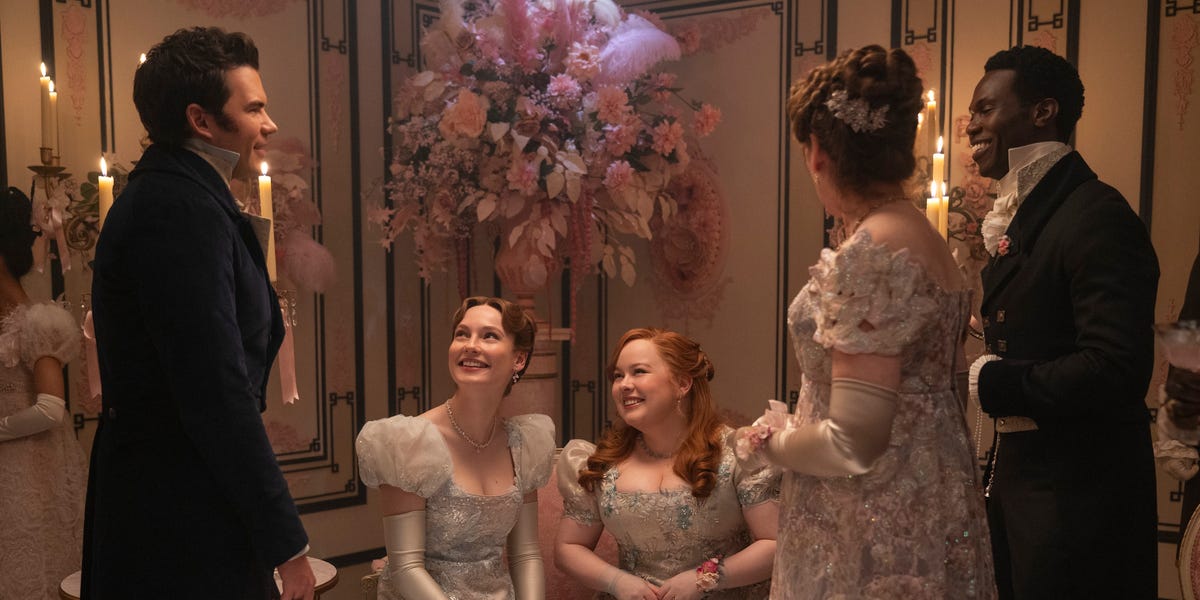
The world of Bridgerton, with its lavish ballrooms, stately homes, and intricate period details, captivates millions worldwide. While audiences are enchanted by the drama and romance of the Ton, much of the magic behind the scenes is woven by unsung heroes whose skill creates this opulent reality. One such artisan, whose remarkable talent was recently honored with a poignant tribute at the close of Bridgerton Season 4, was Nicholas Braimbridge. A master of faux finishing, Braimbridge’s work imbued the show’s sets with an authentic Regency-era splendor, making him an integral part of the show's visual identity. The "In loving memory of Nicholas Braimbridge" title card served as a bittersweet reminder of his significant contributions, prompting many viewers to seek out more about this extraordinary craftsman. His legacy is etched into the very fabric of the Bridgerton universe, transforming ordinary materials into luxurious illusions.The Art of Illusion: Nicholas Braimbridge's Signature Faux Finishes
At the heart of Braimbridge’s genius lay his expertise as a faux finisher. This highly specialized craft involves applying paint and other materials to mimic the appearance of real wood, marble, stone, and other decorative surfaces. For a show like Bridgerton, set in the extravagant Regency Era, the ability to convincingly replicate rich textures and costly materials is invaluable. Braimbridge was particularly celebrated for his "exquisite marbling and wood grain finishes." Imagine the sweeping staircases, grand fireplaces, and polished furniture seen in the Bridgerton household or the various balls – many of these stunning details were brought to life by his meticulous hand.- Marbling: This technique involves creating the intricate vein patterns and translucent depth of natural marble using layers of paint and glazes. It's a skill that requires immense artistic precision and an understanding of geology to make the faux finish indistinguishable from the real stone.
- Wood Grain: Mimicking various types of wood, from deep mahogany to elegant oak, involves careful brushwork, layering, and sometimes specialized tools to replicate the natural grain and knots. This adds warmth, character, and authenticity to any set, making a temporary structure feel like a centuries-old estate.
The beauty of faux finishing in film production lies not only in its aesthetic appeal but also in its practicality. It allows production designers to create grand, historically accurate environments cost-effectively and efficiently. Real marble and antique wood are incredibly heavy, expensive, and time-consuming to procure and install. Faux finishes offer the visual grandeur without the logistical nightmares, enabling the swift transformation of sets into the lavish world of the Ton.
Nicholas Braimbridge’s profound impact on the visual tapestry of Bridgerton cannot be overstated. His work helped transport audiences directly into the heart of Regency London, making the opulent world feel tangible and real. His dedication to his craft truly elevated the show’s aesthetic, leaving a lasting impression on every scene he touched. To learn more about his pivotal role, consider reading Who Was Nicholas Braimbridge? Bridgerton's Season 4 Tribute Explained.
A Master Craftsman's Journey: Beyond the Ton
Nicholas Braimbridge's talents were not confined to the opulent world of Bridgerton. His impressive career spanned decades, showcasing his versatility and expertise across numerous high-profile productions. Before making his mark on film sets, he honed his skills in detailed decorative painting for properties across London and beyond. This foundational experience in real-world interior design gave him a unique perspective and an unparalleled eye for transforming spaces. His reputation as a "hugely talented scenic artist" preceded him, leading him to contribute his extraordinary skills to major Hollywood films, including:- Beetlejuice Beetlejuice (a highly anticipated sequel)
- Gladiator II
- A Quiet Place: Day One
These diverse projects highlight the broad appeal and necessity of his specialized craft, proving that faux finishing is crucial for creating convincing worlds in genres ranging from fantasy to historical drama to horror. His work was not merely about painting; it was about world-building, adding layers of authenticity and character to every scene. His colleagues and friends universally remembered Nicholas as "a delightful, charming, funny man – a true gent," qualities that undoubtedly made him a beloved figure within the often-demanding environment of film sets.
Tragically, Nicholas Braimbridge passed away in May 2025, after having lost his wife to cancer the previous year. He is survived by his two teenage daughters, Flora and Amelia. The film community rallied in support, raising over £10,000 to assist his daughters during this incredibly difficult time, a testament to the high regard in which he was held.